

Education
Cardus Education exists to cultivate education for the common good and convene education leaders, through original research and policy studies on educational pluralism, excellence in education, and graduate outcomes.
David Hunt
Research & Policy
This brief makes the case for expanding Alberta’s conception of public education, and emphasizing private (hereafter, independent) school sector expansion in forthcoming reforms. Where an emphasis on expanding secular charter schools exists, an equal or greater emphasis should be placed on expanding the number of and enrolment at independent schools in Alberta.

If news reports are an indication, skepticism is increasing in America about the value of higher education.
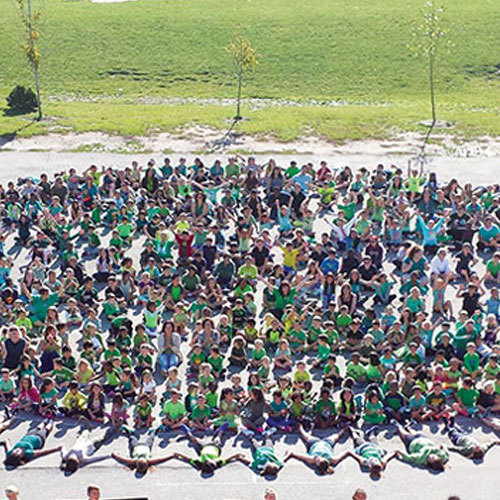
What can schools do to promote environmental education?
Researchers went on site in search of promising practices and excellence in Christian education. This is what they found. Read on.
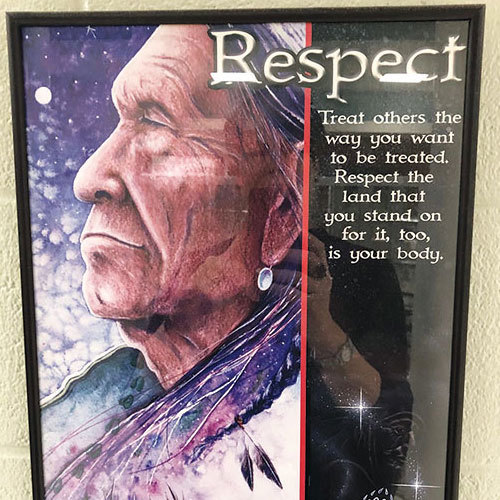
What can schools do to promote indigenous education and reconciliation?
Researchers went on site in search of promising practices and excellence in Christian education. This is what they found. Read on.

What can schools do to promote civic engagement?
Researchers went on site in search of promising practices and excellence in Christian education. This is what they found. Read on.
The United States is ready for a more inclusive definition of public education. Based on a decade’s worth of research, Rethinking Public Education: Including All Schools that Contribute to the Public Good, argues that private schools contribute to American public education in tangible and measurable ways. Read on to learn why a modern, inclusive, and pluralistic public education system would take those contributions into account and include all types of schools – public and private.
This report from the 2018 Cardus Education Survey examines the school sector effect on how graduates of nongovernmental and public schools in the U.S think about their experiences in high school, including an assessment of their high school’s quality and climate, the relationships they formed there, and how well they felt prepared for key dimensions of adulthood, including university, career, and personal relationships. It is based on a representative survey of 1500 randomly selected American high school graduates (ages 24-39). The Cardus Education Survey includes a large number of controls for many factors in student development such as parental education, religion, and income, to isolate a school sector's particular impact.

Ontario's independent school sector is growing at a remarkable pace. Who chooses independent schools in Ontario and why? What is the demographic profile of families who are choosing independent schools? What are the reasons behind their choices? This is the first study in over a decade to answer those questions.
To read the full report, click here.

Ontario's independent school sector is growing at a remarkable pace. Who chooses independent schools in Ontario and why? What is the demographic profile of families who are choosing independent schools? What are the reasons behind their choices? This is the first study in over a decade to answer those questions.
To read a summary of the report, click here.
This report from the 2018 Cardus Education Survey examines the school sector effect on the social ties of graduates of nongovernmental and public schools in the U.S. It is based on a representative survey of 1500 randomly selected American high school graduates (ages 24-39). The Cardus Education Survey includes a large number of controls for many factors in student development such as parental education, religion, and income, to isolate a school sector's particular impact. This report measures the strength and diversity of the social ties held by American graduates and the influence of the various school sectors on these social outcomes.
This report from the 2018 Cardus Education Survey examines the school sector effect on the religious commitment and spiritual formation of graduates of nongovernmental and public schools in the U.S. It is based on a representative survey of 1500 randomly selected American high school graduates (ages 24-39). The Cardus Education Survey includes a large number of controls for many factors in student development such as parental education, religion, and income, to isolate a school sector's particular impact.
This report from the 2018 Cardus Education Survey examines the school sector effect on civic and political participation for graduates of nongovernmental and public schools in the U.S. It is based on a representative survey of 1500 randomly selected American high school graduates (ages 24-39). The Cardus Education Survey includes a large number of controls for many factors in student development such as parental education, religion, and income, to isolate a school sector's particular impact.

Who chooses independent schools and why?
A number of studies have explored this research question, but it has been over a decade in Canada and four decades in British Columbia (BC) since extensive parent surveys were conducted to answer these questions. With 608 representative independent school parents, using an online questionnaire with the same research question and comparable methodology, this study examines whether the Ontario findings from 2007 hold true in BC twelve years later.
To read a summary of this report, click here.
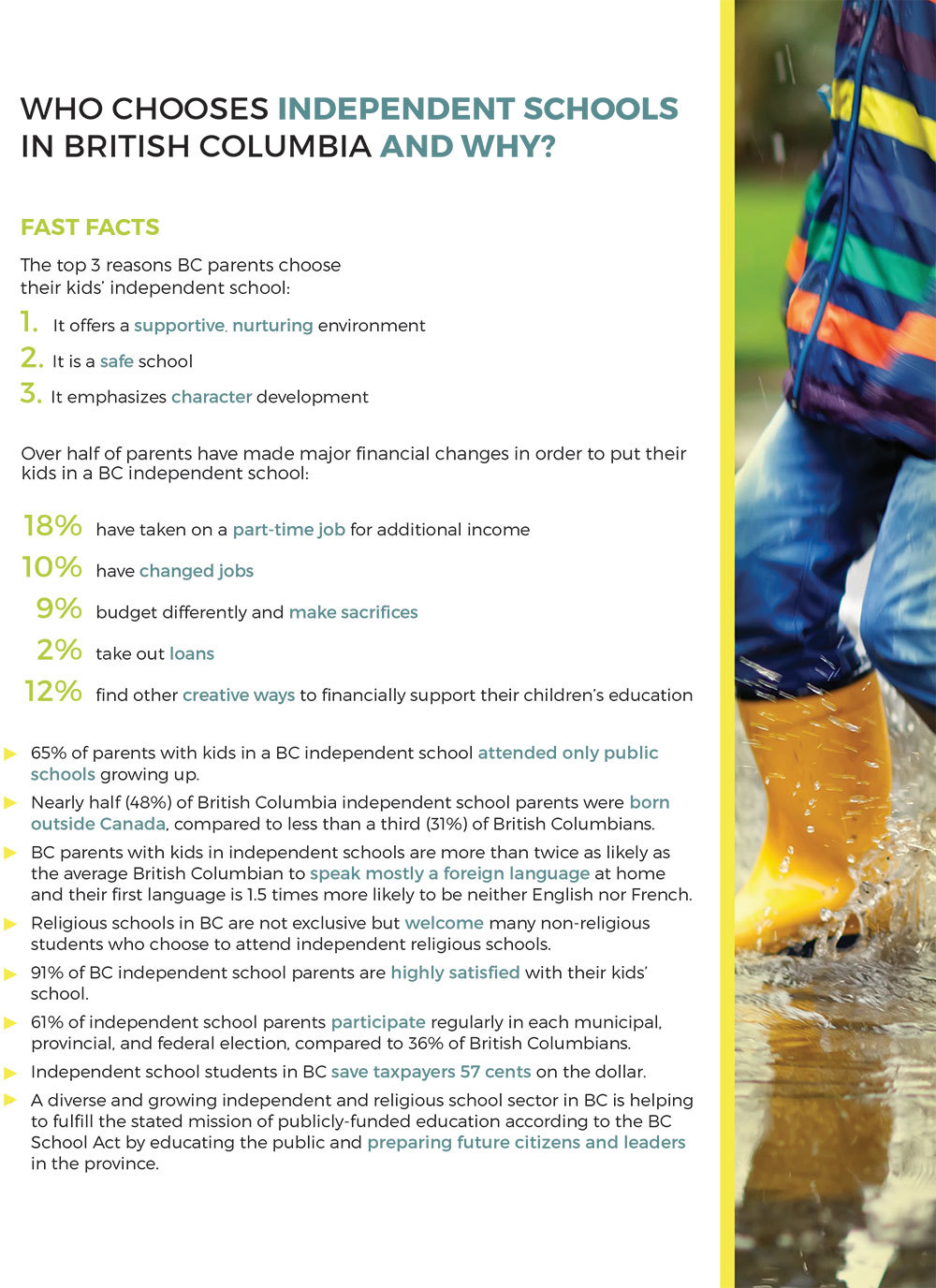
Fast facts from our latest paper, Who Chooses Independent Schools in British Columbia and Why?
This report from the 2018 Cardus Education Survey examines the school sector effect on education and career outcomes for graduates of nongovernmental and public schools in the U.S. It is based on a representative survey of 1500 randomly selected American high school graduates (ages 24-39). The Cardus Education Survey includes a large number of controls for many factors in student development such as parental education, religion, and income, to isolate a school sector's particular impact.

This paper is based on the discussion of education reform at an event in the Cardus Ottawa office in March 2019. The panel consisted of Ray Pennings, Danielle Smith, and Deani Van Pelt. They discussed a global perspective on education, conservative and business perspectives on education, and spurring innovation in education.

Non-government, and especially religious, schools are often considered damaging to social cohesion. Advocates of public, government-run schools suggest that the inclusiveness and diversity that comes from being available to every student in the community teaches students about learning to live together in difference.

Education funding reform is long overdue for students with special needs in Ontario. Currently students with special needs receive special education funding only if they attend a public government school.
This paper calculates the expenditure required for funding reform for students with special education needs who attend an independent non-government school.

This submission to the Ontario Ministry of Education offers several recommendations to improve education policy and learning in Ontario. The report offers incremental steps to enhance parental choice, increase educational diversity for the common good, and establish a more accountable and cooperative relationship with Ontario's growing independent school sector.
Better is Possible proposes a new way forward for improving education for everyone: increased independent school enrollment. If provincial governments deliberately sought to increase independent schools’ share of all enrollment by five to 10 percent, the sector would be large enough to provide parents with a stronger education alternative without system-wide disruption. Moreover, Cardus President and CEO Michael Van Pelt argues a stronger independent school sector would spur innovation and increased accountability among Canada’s public schools.
In 2016 Cardus Education delivered its second report on the Cardus Education Survey for Canada. Those reports—and this—present findings from surveys examining outcomes for secondary-school graduates of independent schools and public schools. The Cardus Education Survey makes a significant methodological, theoretical, and empirical contribution to the research into religious schools in Canada and the United States and is the only study that uses repeated measures to report on the outcome of religious non-government schooling and compares it to public-school outcomes. One of the main problems with existing data is the lack of attention to diversity within the independent school sector. In addition, regional differences in the impact of independent schools on students’ lives have not been carefully considered.
This report concentrates on Ontario graduates in 2018, drawing on graduates between twenty-four and thirty-nine years old who attended one of the following sectors in Ontario: public, separate Catholic, independent Catholic, evangelical protestant, and non-religious independent.

This report presents findings from surveys examining outcomes for secondary school graduates of independent schools and public schools. The Cardus Education Survey makes a particularly significant methodological, theoretical, and empirical contribution to the research into religious schools in Canada and the United States and is the only study that uses repeated measures to report on the outcome of religious non-government schooling and compare it to public school outcomes. One of the main problems with existing data is the lack of attention to diversity within the independent school sector. In addition, regional differences in the impact of independent schools on students’ lives have not been carefully considered. Cardus research addresses this gap in the literature.
This report concentrates on British Columbia graduates in 2018, drawing on graduates between twenty-four and thirty-nine years old who attended one of the following sectors in the province: public, independent Catholic, evangelical Protestant, and non-religious independent.

This paper is a first effort to understand the place of school associations in the Canadian independent school landscape.
These associations strengthen the voice of the independent school sector, increase capacity, and promote values and standards among the diverse forms of quality non-government K-12 education. Within this paper are mapped the functions of 56 provincial, national, and international education associations from across Canada.

Six years ago the province of Saskatchewan created an additional funded independent school category: Qualified Independent Schools. This paper examines changes in enrollment and independent school distribution between 2011/2012 and 2017/2018—the six-year period following the introduction of Qualified Independent Schools in Saskatchewan.
This innovation provides the unique opportunity to observe how the independent school sector responds to substantive policy change.

Looking at several large social surveys in the U.S., this paper finds that religious school isn’t a bulwark against extended adolescence. However, American religious school grads do follow some different patterns going into adulthood when compared to their public school counterparts.